
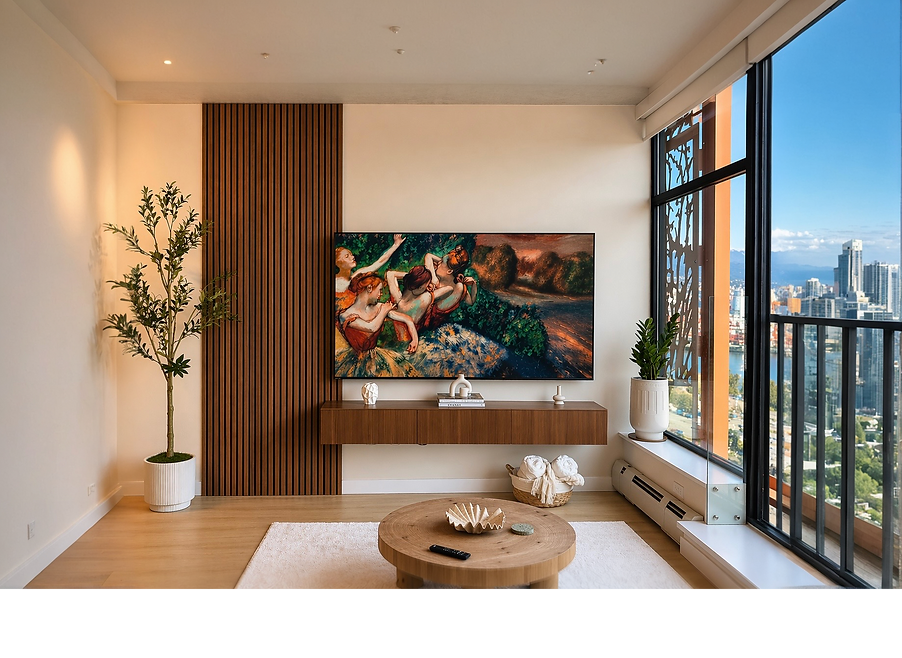
What Is Short Term Rental and Its Luxury Appeal


Choosing where to stay can shape every detail of a luxury escape. For those who crave privacy, comfort, and memorable moments, furnished properties rented for brief periods now rival the best hotels in cities like Vancouver and regions such as Okanagan. As modern travel evolves, affluent guests are seeking unique spaces designed for romance or celebration. This guide uncovers how premium short-term rentals offer unparalleled flexibility, curated amenities, and the personalized service sophisticated travelers expect.
Table of Contents
Key Takeaways
Point | Details |
Short-Term Rentals Offer Flexibility | Furnished properties provide spacious and personalized experiences compared to hotels. |
Booking Transparency Is Essential | Online platforms facilitate direct connections between guests and property owners, enhancing accountability. |
Know Local Regulations | Understanding short-term rental laws in specific locations is critical for compliance and successful investment. |
Focus on Guest Experience | Luxury rentals prioritize personalized services and amenities to cater to the unique needs of travelers. |
Defining Short Term Rentals in Modern Travel
Short-term rentals are furnished properties rented for brief periods, typically ranging from a few nights to several weeks or months. They’ve become a mainstream alternative to traditional hotels, offering travelers more space, flexibility, and personalization than standard accommodations.
The rise of online platforms has transformed how people book these stays. Properties are listed on dedicated marketplaces where guests can browse photos, read reviews, and book directly with owners. This transparency creates accountability while giving travelers unprecedented choice.
Unlike hotels with standardized rooms and services, short-term rentals vary widely in style and amenities. You might rent a downtown condo in Vancouver, a waterfront cottage on the Okanagan, or a luxury penthouse overlooking the North Shore mountains. Each property reflects its owner’s personality and vision.
Short-term rental regulations vary significantly by location and address concerns about housing availability, noise, and community impact. Some cities require licensing, tax registration, and host residency verification. Understanding local rules before booking or investing is crucial.
What Sets Short-Term Rentals Apart
These accommodations blur the line between vacation stays and temporary living arrangements. Key differences from hotels include:
Full-size kitchens for preparing meals and entertaining
Multiple bedrooms ideal for groups or families celebrating together
Washing machines eliminating the need for laundry services
Living spaces for relaxing or hosting gatherings
Personalized decor reflecting local culture and character
Short-term rentals prioritize guest experience flexibility and autonomy in ways traditional hotels cannot match.
Global tourism patterns show short-term accommodations reshaping travel behaviors across major markets. Affluent travelers increasingly choose these properties for milestone celebrations, romantic escapes, and intimate gatherings where privacy matters.
Vancouver’s luxury market demonstrates this shift clearly. Visitors seeking romantic getaways or anniversary celebrations often prefer a private waterfront home over a hotel suite. You get a kitchen for preparing special dinners, a hot tub for evening relaxation, and spaces designed for memorable moments.
The Modern Traveler’s Perspective
Today’s luxury travelers value authenticity and customization. They want local experiences, private spaces for intimate gatherings, and accommodations reflecting their personal taste. Short-term rentals deliver exactly this.
When planning how short-term rentals compare to traditional accommodations, consider your specific travel goals. Anniversary trips demand different amenities than family reunions or business retreats.
The luxury segment particularly appreciates properties offering concierge services, private chefs, and curated experiences. Vancouver properties now commonly include wine tastings, city tours, and spa services tailored to guest preferences.
Pro tip: When booking your luxury getaway, clarify what amenities come standard and which are add-ons—premium properties often include personalized touches that transform a nice stay into an unforgettable experience.
Types of Short Term Rental Properties Explained
Short-term rentals span a wide range of property types, each serving different traveler needs and preferences. Understanding these categories helps you select the perfect accommodation for your specific getaway or investment strategy.
Short-term rental properties include apartments, houses, condominiums, townhomes, luxury villas, and budget studios. Some are standalone structures while others sit within larger residential complexes. The diversity allows guests to choose based on location, size, amenities, and price point.
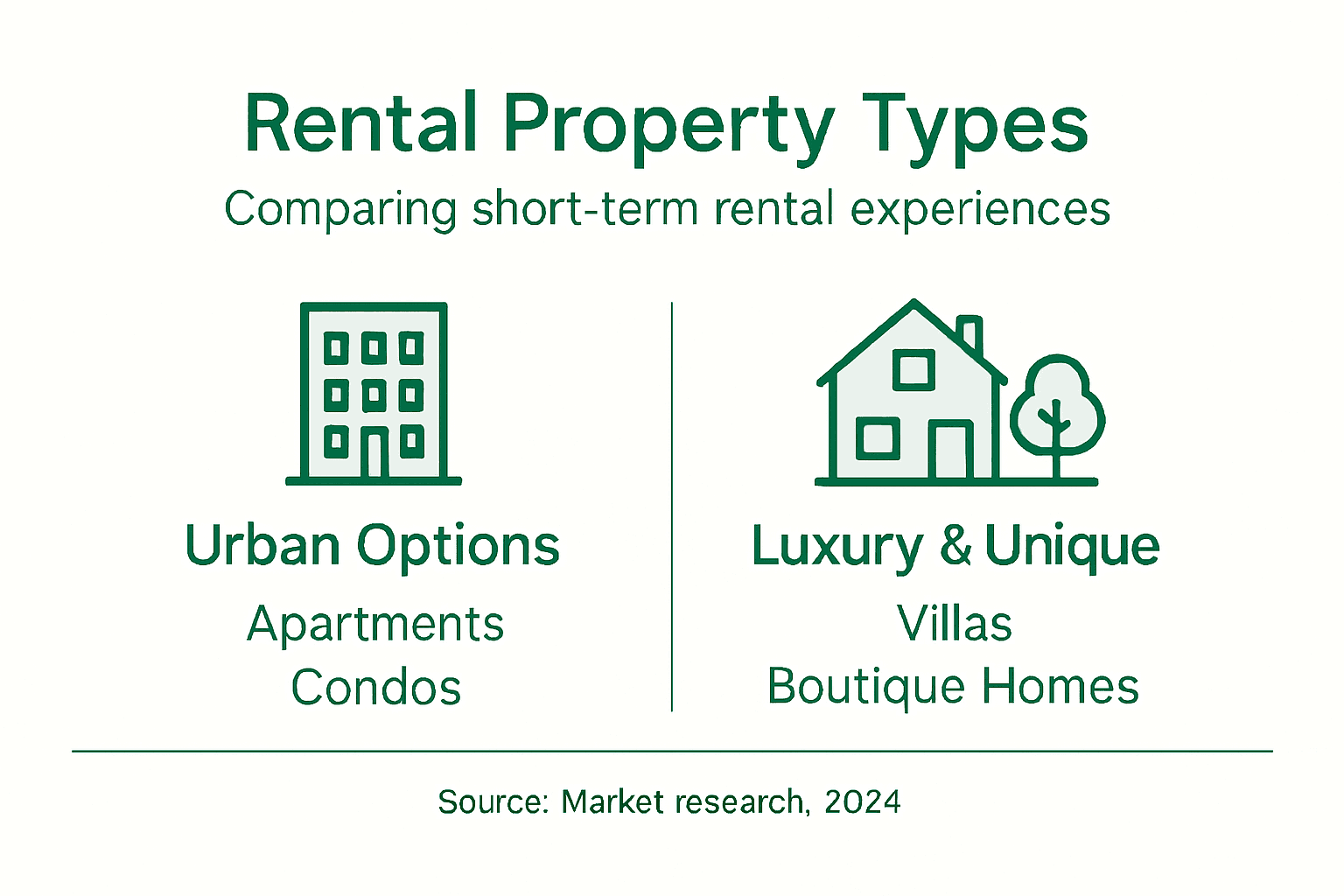
Here’s a quick comparison of popular short-term rental property types and their target guests:
Property Type | Best For | Typical Amenities |
Downtown Apartment | Business travelers, couples | Modern design, city access |
Luxury Villa | Large groups, celebrations | Private chef, pool, gardens |
Waterfront Cottage | Couples, nature lovers | Hot tub, lake access, fireplace |
Boutique Stay | Adventurous travelers | Unique decor, specialty amenities |
Urban Apartments and Downtown Condos
City-center apartments dominate the short-term rental market in Vancouver and other major metros. These properties appeal to professionals on business trips and couples seeking vibrant urban experiences with walkable neighborhoods.
Urban units typically feature:
Proximity to restaurants, shops, and entertainment
Modern finishes and contemporary design
Limited outdoor space but downtown convenience
Building amenities like gyms or rooftop access
Higher nightly rates reflecting location value
Downtown Vancouver condos attract affluent travelers prioritizing walkability and immediate access to cultural attractions.
When booking city accommodations, check proximity to specific neighborhoods. The Gastown area differs dramatically from the West End, though both offer distinct luxury experiences.
Standalone Houses and Villas
Detached homes provide the ultimate privacy and space for group celebrations or intimate getaways. Vancouver’s residential neighborhoods like Shaughnessy or West Vancouver offer luxury estates ideal for anniversary trips and special events.
These properties deliver:
Private entrances and gated access
Multiple bedrooms for multi-family gatherings
Full kitchens for prepared meals
Outdoor spaces including decks or gardens
Maximum flexibility for guest activities
Luxury villas represent the premium tier, featuring high-end furnishings, wine collections, and sometimes concierge services. Many include private chefs or spa facilities—perfect for couples celebrating milestones.

Cottages and Waterfront Properties
Okanagan cottages and British Columbia’s waterfront estates attract travelers seeking nature-oriented escapes. These properties combine luxury amenities with scenic outdoor settings unavailable in urban environments.
Waterfront rentals often include:
Lake or ocean access for water activities
Hot tubs overlooking natural scenery
Fireplaces for cozy evenings
Privacy surrounded by nature
Premium pricing reflecting exclusivity
The rental housing landscape shows growing demand for destination properties combining leisure and luxury. Waterfront properties command premium rates because they offer irreplaceable experiences.
Boutique Properties and Unique Stays
Beyond traditional categories, niche rentals offer distinctive experiences. Think converted heritage buildings, modern architectural showcases, or properties with specialized amenities like recording studios or wine cellars.
These unconventional properties attract travelers seeking authentic memories beyond standard accommodations. Vancouver’s diverse short-term rental market increasingly features such distinctive offerings.
Choosing the Right Property Type
Your decision depends on travel goals. Business trips suit downtown apartments for convenience. Romantic anniversaries thrive in waterfront cottages or private villas. Family reunions require multiple bedrooms and flexible spaces.
Pro tip: Match property type to your specific occasion—luxury apartments excel for urban exploration, while private estates maximize privacy for intimate celebrations where personal service matters most.
How Luxury Short Term Rentals Work
Luxury short-term rentals operate on a fundamentally different model than standard accommodations. They prioritize personalized experiences, exceptional service, and meticulous attention to detail from booking through checkout.
The process begins with discovery. You browse curated property listings featuring professional photography, detailed descriptions, and guest reviews. Unlike hotels with identical rooms, each luxury rental tells a unique story through its design, location, and available amenities.
The Booking Experience
Reserving a luxury property differs from standard hotel transactions. Many properties require direct communication with owners or property managers to customize your stay before committing.
The booking flow typically includes:
Initial inquiry or request for specific dates
Discussion of amenities and special requests
Confirmation of rates and cancellation policies
Secure payment processing
Pre-arrival communication and property details
Luxury rentals emphasize relationship-building before arrival, ensuring properties align perfectly with guest expectations.
Owners often offer personalized recommendations for restaurants, activities, or services relevant to your visit. This consultative approach sets luxury rentals apart from transactional hotel bookings.
Pre-Arrival Preparation
Once booked, properties undergo thorough preparation. Professional cleaning teams prepare every detail, from fresh linens to stocked pantries with premium items reflecting regional preferences.
Exceptional luxury hospitality includes bespoke touches tailored to guest profiles. A couple celebrating an anniversary might find champagne chilling and rose petals arranged. Business travelers receive high-speed internet verification and workspace setup.
On-Site Experience
Arival at a luxury rental reveals meticulous curation. Professional photography maintains accuracy with real spaces. High-end furnishings and thoughtful design create comfortable sophistication.
Key service elements include:
Dedicated concierge support via phone or messaging
Private chef services for special occasions
Spa treatments or massage appointments
Wine tastings or culinary experiences
City tours with local guides
Many Vancouver properties offer concierge support enhancing every aspect of your stay. Need restaurant reservations? Spa recommendations? Special dietary accommodations? Your concierge handles logistics, freeing you to enjoy the experience.
Technology and Access
Smartlock systems provide seamless entry without traditional key exchanges. Digital guides explain property features, local recommendations, and emergency contacts. Guests control everything from climate to entertainment systems through intuitive interfaces.
This technology removes friction while maintaining luxury standards. You arrive, enter using your phone, and immediately feel at home.
Post-Departure and Relationship Building
After checkout, professional cleaning teams reset the property. Property managers follow up requesting feedback and addressing any concerns. Many guests return for repeat stays, developing relationships with owners who remember preferences from previous visits.
Pro tip: Book luxury rentals well in advance for milestone celebrations—this allows property managers to curate personalized touches that transform exceptional accommodations into truly unforgettable memories.
Host and Guest Responsibilities in Premium Stays
Premium short-term rentals succeed when both hosts and guests understand their roles clearly. Clear expectations prevent misunderstandings and ensure memorable experiences for everyone involved.
Hosts carry significant responsibility for creating welcoming environments. Beyond cleaning and basic maintenance, they must ensure guest well-being, safety, and satisfaction throughout stays. This commitment builds loyalty and positive reviews that attract future bookings.
Host Responsibilities
Premium accommodations require hosts to prioritize personalized experiences alongside operational excellence. This means responding promptly to questions, providing detailed property information, and offering local recommendations.
Hosts must:
Maintain pristine property conditions before arrival
Respond to messages within agreed timeframes
Address maintenance issues immediately
Provide clear instructions for appliances and systems
Ensure safety compliance and working locks
Protect guest privacy and property security
Offer post-stay follow-up and feedback requests
Beyond logistics, exceptional hosts curate memorable moments. Wine selections matching guest preferences. Restaurant reservations at sought-after venues. Activity recommendations reflecting personal interests. These touches transform stays from comfortable to unforgettable.
Luxury hosts succeed by anticipating guest needs before being asked and delivering personalized service consistently.
Vancouver’s premium properties distinguish themselves through proactive communication. Hosts provide digital welcome guides, restaurant lists, and activity suggestions tailored to guest profiles. Many arrange private chefs, spa services, or city tours—services that justify premium pricing.
Guest Responsibilities
Guest accountability in premium stays maintains community standards and property integrity. Guests must respect properties as valued spaces and honor host guidelines.
Guests should:
Arrive and depart during agreed timeframes
Treat furnishings and amenities with care
Follow specific house rules and policies
Respect quiet hours and neighborhood standards
Report maintenance issues promptly
Communicate changes to guest count or duration
Leave properties clean or use cleaning services
Provide honest post-stay reviews
Premium properties often include rules about parties, smoking, or guest limits. Respecting these boundaries protects the property and ensures positive experiences for future guests.
To summarize host and guest priorities for luxury short-term rentals:
Role | Top Priority | Critical Action | Key Outcome |
Host | Guest satisfaction | Proactive communication | Positive reviews, repeat stays |
Guest | Property respect | Follow house rules | Smooth experience, deposit returned |
Shared Accountability
Success requires mutual respect. Hosts must be transparent about property features, amenities, and limitations. Guests must read descriptions carefully and confirm expectations before booking.
Both parties benefit from professional property management coordination handling disputes fairly and ensuring service standards remain consistent.
Clear communication prevents conflicts. Confirm arrival times, parking arrangements, and check-in procedures in advance. Clarify cancellation policies, refund conditions, and damage responsibility before booking.
Pro tip: Document property conditions with photos upon arrival and report any issues immediately—this protects both guests from wrongful damage claims and hosts from liability disputes over pre-existing conditions.
Legal, Tax, and Financial Aspects to Know
Short-term rental ownership involves more than just welcoming guests. You must understand tax obligations, legal requirements, and financial responsibilities to operate successfully and avoid costly penalties.
Whether you’re a guest booking luxury stays or a property owner monetizing assets, knowledge protects your interests. Ignorance of tax rules carries serious consequences, including back taxes, penalties, and interest charges.
Income Reporting Requirements
If you own rental properties, the IRS requires you to report all rental income. This applies whether you actively manage properties or use professional management services.
Short-term rental hosts must report rental income to the IRS and can deduct legitimate business expenses. The reporting threshold varies based on income levels and filing status, but most hosts must file regardless of profit or loss.
Key reporting obligations include:
Annual income reporting on tax returns
Quarterly estimated tax payments if applicable
Detailed records of all rental income received
Documentation of expenses and deductions
Form 1098-T or equivalent tax forms from payment processors
Canadian property owners renting through American platforms face additional reporting requirements. Consult with cross-border tax specialists to understand obligations in both jurisdictions.
Deductible Expenses and Deductions
Property owners can deduct rental-related expenses proportionally based on rental versus personal use. Allowable deductions include mortgage interest, property taxes, maintenance, utilities, insurance, and depreciation.
Common deductions include:
Mortgage interest and property taxes
Property maintenance and repairs
Cleaning and linens
Property management fees
Insurance premiums
Utilities and internet
Advertising and booking platform fees
Depreciation (consult accountants for calculations)
Capital improvements differ from repairs. New roofs or kitchen remodels qualify for depreciation. Patching drywall or fixing leaks are repairs. The distinction affects how and when you claim deductions.
Meticulous record-keeping transforms tax filing from guesswork into confidence—keep receipts, maintain spreadsheets, and document all business expenses throughout the year.
Personal Use Limitations
Using your property personally affects tax treatment significantly. If you rent fewer than 15 days annually or use it personally for more than 14 days, different rules apply.
Properties with substantial personal use cannot claim many deductions. Vancouver owners renting family cottages occasionally face stricter limitations. Understanding these thresholds prevents unintentional tax violations.
Liability Insurance and Legal Protection
Standard homeowner insurance typically excludes rental income coverage. You need commercial rental insurance protecting against guest injuries, property damage, and liability claims.
This coverage is non-negotiable. Guest lawsuits over injuries or property damage can exceed insurance limits without proper protection. Premium property owners typically carry additional umbrella policies.
Local regulations also matter. Vancouver requires certain licenses and permits for short-term rentals. British Columbia has specific rules about guest limits and rental duration. Violating these carries fines and legal liability.
Pro tip: Hire a tax professional specializing in short-term rentals before your first booking—the cost of professional guidance pays for itself through optimized deductions and avoided penalties.
Experience the True Luxury of Short-Term Rentals with Nestoria Estates
The challenge of finding a short-term rental that truly matches your desire for authenticity, privacy, and personalized experience is real. Whether you are planning a romantic getaway, an anniversary celebration, or a family reunion, you want more than just a place to stay. You want a space that feels like it was designed just for you, with trusted amenities, concierge services, and curated local experiences that elevate your time away. Nestoria Estates understands these goals and the importance of matching travelers with premium properties that reflect individuality and luxury.
Unlock unforgettable stays through Nestoria Estates, your premier vacation rental management platform specializing in luxury short-term rentals. Explore exclusive listings with private chefs, bespoke city tours, and celebration packages tailored specifically to your needs. Start your journey now and ensure your next stay in Vancouver or beyond is not just a trip but a cherished memory. Discover how our curated services can transform your travel experience today with personalized stays and luxury amenities designed to exceed your expectations.
Frequently Asked Questions
What is a short-term rental?
Short-term rentals are furnished properties rented for brief periods, typically from a few nights to several weeks or months, providing travelers with more space and flexibility than traditional hotels.
What are the benefits of choosing luxury short-term rentals over hotels?
Luxury short-term rentals offer personalized experiences, unique amenities like private chefs, and the comfort of larger living spaces and full kitchens, making them ideal for gatherings and special occasions.
How do short-term rentals differ from traditional hotel accommodations?
Unlike hotels, short-term rentals vary widely in style and amenities, providing guests with more personalized decor, multiple bedrooms, and living spaces for relaxation or hosting gatherings, which traditional hotels often lack.
What should I look for when booking a luxury short-term rental?
When booking a luxury short-term rental, consider the amenities offered, such as concierge services or curated experiences, and clarify which features are included in the rental versus which are available for an additional fee.
Recommended
Comments