

Airbnb Insurance Canada: What Vancouver Hosts Need to Know

Notify your insurer before your first guest checks in, and get a short-term rental endorsement or a dedicated short-term rental policy. Airbnb’s own liability program is not a replacement for that. The Insurance Bureau of Canada is blunt about this: home-sharing changes your risk profile, and insurers need to know. Nestoria Estates works with Vancouver owners on exactly this gap every week.
Three things to do today:
Check your listing status. If you’re already hosting without telling your insurer, stop and call them this week.
Call your insurer or broker. Ask directly whether your policy allows short-term rental use, and if not, what endorsement or replacement policy is available.
Get it in writing. A verbal “you’re probably fine” from an agent is worthless if a claim gets denied. Request the endorsement wording or policy documents by email.
Airbnb’s AirCover matters, but it plays a supporting role, not the lead.
Key Takeaways
Canadian Airbnb hosts need a short-term rental endorsement or dedicated policy layered on top of, not instead of, Airbnb’s AirCover protection.
Point | Details |
Notify your insurer first | Disclose hosting before your first booking to avoid a voided policy over nondisclosure. |
AirCover isn’t enough alone | It only covers Airbnb-sourced bookings and works as secondary coverage to your own policy. |
Match policy to hosting frequency | Occasional hosting often needs an endorsement; year-round whole-unit rental usually needs a dedicated policy. |
Check strata rules in Vancouver | Get written permission from your strata council before listing a condo short-term. |
Document everything | Retain guest communication, cleaning logs, and incident evidence to support any future claim. |
Table of Contents
What Airbnb Insurance Canada Coverage Actually Includes Through AirCover
What Coverage Types Should Airbnb Host Insurance in Canada Include?
What Happens When You File an Airbnb Insurance Claim in Canada?
How Nestoria Estates Helps Vancouver Owners Manage Insurance Risk
Did COVID-19 Change Airbnb Insurance Coverage for Canadian Hosts?
What Airbnb Insurance Canada Coverage Actually Includes Through AirCover
AirCover for Hosts gives you host liability insurance up to US$1 million and host damage protection for guest-caused damage, according to Airbnb’s Help Centre. Those limits are set in US dollars, not Canadian, which matters when you’re calculating real exposure against a Vancouver property.
The catch: AirCover only applies to bookings made through Airbnb. If you take direct bookings, list on other platforms, or host friends of a guest who wasn’t on the reservation, you’re on your own.
AirCover liability: up to US$1 million per claim
Host damage protection: covers guest-caused property damage, with exclusions for normal wear and cash/valuables
Applies only to Airbnb-sourced bookings, not direct or cross-platform stays
Brokers who work with hosts often describe AirCover as secondary rather than primary coverage, meaning your own policy is expected to respond first in many disputes.
Why Your Home Insurance Policy Won’t Cover Hosting
Standard homeowner policies are written around long-term, personal occupancy. The moment you accept paying guests for short stays, you’ve introduced commercial activity, and most policies specifically exclude that. Insurely’s analysis of Canadian short-term rental coverage confirms this is the norm, not the exception.
Insurers distinguish between two fixes:
A short-term rental endorsement, added to your existing policy, usually works for occasional hosting of a room or your principal residence.
A dedicated short-term rental policy is typically required if you rent a whole unit year-round, since insurers treat that as landlord or commercial risk rather than an occasional add-on.
Failing to disclose hosting doesn’t just risk a denied claim. It can void the entire policy, leaving you exposed on everything, not just the rental-related loss, per IBC guidance.
Pro Tip: Read the “commercial activity” and “named insured” clauses in your current policy before calling your insurer. Knowing the exact language lets you ask sharper questions and spot a vague answer immediately.
What Coverage Types Should Airbnb Host Insurance in Canada Include?
A properly built policy for a Vancouver rental usually stacks five coverage types together:
Liability coverage. This pays legal defense costs and settlements if a guest is injured. Brokers commonly recommend limits well above the bare minimum, since a serious injury claim can run into six figures fast.
Building and contents coverage. Covers guest-caused damage to the structure and your furnishings, with replacement cost terms spelled out in the policy.
Loss of income (business interruption). Pays when your property can’t be rented due to covered damage, but insurers usually want booking history and revenue records as proof before paying out.
Damage protection comparison. Host damage protection through Airbnb settles faster in some cases, but insurer-backed property coverage usually has clearer proof requirements and more predictable payout timing.
Cyber liability (optional). Worth adding if you take direct bookings and store guest payment or identity data outside Airbnb’s system.
Zensurance’s breakdown of short-term rental coverage lists commercial property, general liability, and loss of income as the core elements Canadian brokers build policies around.
How Do You Confirm Your Coverage and Notify Your Insurer?
Run through this before you list your property, or immediately if you’re already hosting:
Pull your current policy and read the sections on commercial activity, subletting, and named insured. Highlight anything vague.
Call your insurer or broker and state plainly that you host, or plan to host, short-term guests.
Ask for the endorsement or new policy in writing, with coverage limits spelled out, before you accept another booking.
Bring your Airbnb listing details, expected hosting frequency, and property type to that call. Endorsements can sometimes be issued within days, but dedicated policies may take longer to underwrite, so start the process before your first confirmed reservation, not after.
Pro Tip: Ask your broker for the endorsement number and file it with your lease or condo documents. If a claim happens, you want to produce proof of coverage in seconds, not days.
How Much Does Short-Term Rental Insurance Cost in Canada?
Costs vary widely based on how often you host and what limits you choose. Some endorsements start around $75 for short durations, like a one-off weekend rental, while full-year dedicated policies run into the hundreds or low thousands of dollars annually.
What moves the price:
Location. Urban Vancouver properties often price differently than rural cottages, partly due to claims history and rebuild costs.
Hosting frequency. Occasional hosting costs less than year-round whole-unit rental.
Property type. Condos with strata involvement can carry different pricing than detached homes.
Coverage limits. Bumping liability limits or adding loss-of-income coverage raises the quote, but usually by less than hosts expect relative to the protection gained.
What Happens When You File an Airbnb Insurance Claim in Canada?
When an incident involves both AirCover and your own policy, Airbnb typically forwards the claim details to your insurer, and you should expect to submit the same evidence twice, according to Airbnb’s own host liability documentation.
Right after an incident:
Photograph the damage or injury scene before cleaning anything up.
Save guest messages referencing the incident.
Get a written incident report if police or medical responders were involved.
Request repair or replacement estimates promptly.
Most denials trace back to late notification, missing documentation, or a policy that never had short-term rental coverage added in the first place. Coordination between AirCover and a private insurer can also stall a payout if the two disagree over which one pays first.
What Vancouver Condo and Strata Owners Must Check First
Vancouver has specific short-term rental rules, including principal-residence limitations and business licensing requirements in many cases, and local regulation shapes what insurers will accept.
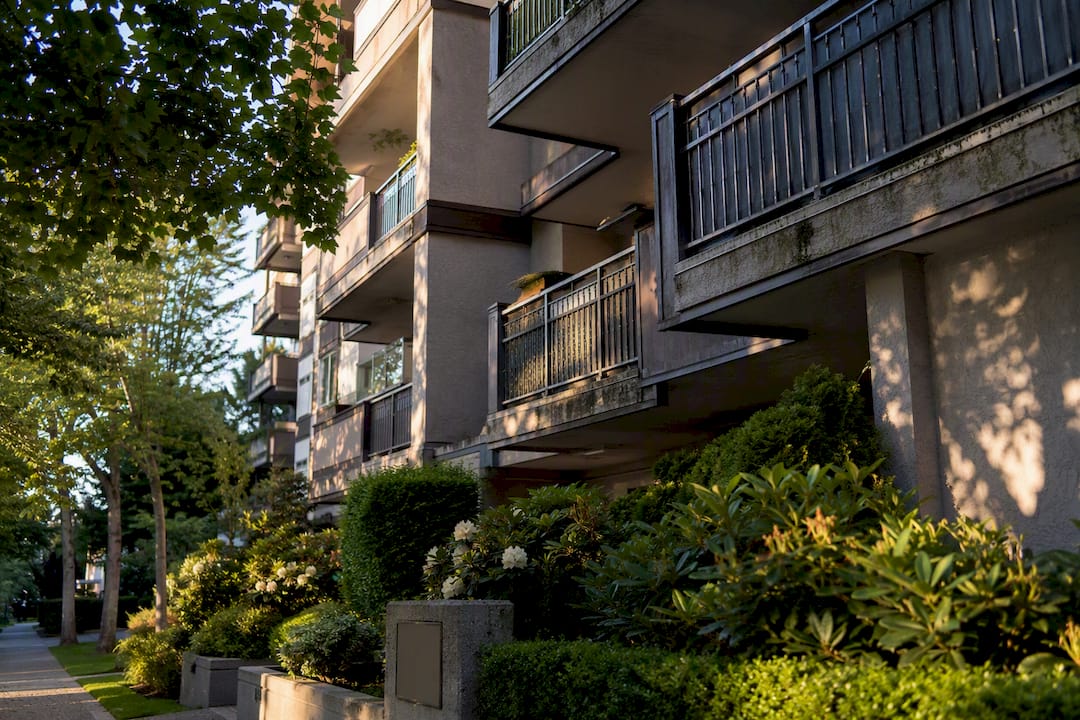
If you own a condo, your strata bylaws may prohibit whole-home short-term rentals outright, or require proof of specific insurance wording before granting permission.
Before listing:
Contact your strata council and get hosting permission in writing, not a verbal nod at a meeting.
Ask your insurer whether strata-required wording needs to be added to your policy.
Confirm your listing complies with Vancouver’s municipal licensing rules before your first booking goes live.
How to Choose an Insurance Broker for Short-Term Rentals
Look for a broker licensed in Canada with actual short-term rental experience, not someone reciting generic homeowner policy language. Ask them directly:
Have you written short-term rental endorsements for Vancouver condos or strata properties before?
Can you put the exact coverage limits and exclusions in writing before I bind the policy?
What’s your claims handling process when AirCover is also involved?
Are you familiar with municipal licensing requirements in my city?
Red flags include vague answers about “similar coverage,” reluctance to email you limits and exclusions, or no familiarity with strata-specific wording. A broker who can’t answer question three probably hasn’t handled many host claims.
Pro Tip: If a broker can’t name a specific short-term rental endorsement product off the top of their head, that’s a sign to keep shopping. This is a specialized enough niche that experienced brokers reference it by name.
How Nestoria Estates Helps Vancouver Owners Manage Insurance Risk
Professional management doesn’t replace insurance, but it changes the risk profile insurers are pricing. Nestoria Estates screens guests before booking, enforces clear house rules, and coordinates professional cleaning and maintenance between stays, all of which reduce the frequency and severity of the incidents that generate claims.
When a claim does happen, the documentation trail matters as much as the coverage itself. Owner reporting, retained guest communication, and maintenance logs give insurers exactly what they need to process a claim quickly instead of stalling on missing evidence.
What that looks like operationally:
Guest screening before every confirmed booking
Documented cleaning and maintenance standards between turnovers
Retained communication records that support claims if something goes wrong
Owners working with Nestoria Estates get this operational backbone built into full-service management, which is worth raising with your broker when you’re scoping coverage.
How Provincial Rules Change Airbnb Insurance Requirements
British Columbia isn’t the only province with quirks that affect your insurance conversation. Ontario, Quebec, and Alberta each layer municipal and provincial rules on top of the same basic insurance principle: standard home policies still exclude commercial short-term rental use everywhere in Canada.
Ontario cities like Toronto require short-term rental registration and limit hosting to a principal residence in many zones. That principal-residence framing tends to line up with what insurers expect for an endorsement rather than a full commercial policy, similar to Vancouver’s approach.
Quebec has its own provincial registration system through Revenu Québec, and short-term rental operators need a government-issued registration number displayed on listings. Insurers in Quebec often ask for proof of that registration before issuing or renewing a short-term rental endorsement, since operating without it can complicate a claim.
Alberta has comparatively fewer province-wide restrictions, though cities like Calgary and Edmonton have their own licensing bylaws. Because Alberta’s regulatory environment is lighter in places, some hosts mistakenly assume insurance requirements are lighter too. They aren’t. The commercial-use exclusion in standard home policies applies regardless of how relaxed local licensing rules are.
The throughline across every province: local licensing rules determine whether you’re allowed to host, but they don’t determine whether you’re insured. Those are separate questions, and hosts who confuse compliance with one for coverage on the other are the ones who get denied claims.
Did COVID-19 Change Airbnb Insurance Coverage for Canadian Hosts?
The pandemic reshaped how insurers and Airbnb itself think about cancellation risk and liability exposure, and some of those changes stuck around. Airbnb introduced extenuating circumstances policies during COVID-19 that affected how cancellations and refunds were handled, which indirectly shaped how hosts thought about loss-of-income coverage.

For insurance specifically, the bigger shift was underwriting caution. Insurers writing short-term rental policies became more attentive to occupancy patterns and cleaning protocols, since higher guest turnover was newly associated with transmission risk. Some policies added or clarified communicable disease exclusions, language that didn’t typically appear in short-term rental endorsements before 2020.
Loss-of-income coverage also came under scrutiny. Hosts who expected business interruption coverage to pay out during pandemic-driven cancellations often found policies excluded pandemic or communicable disease events specifically, since insurers generally don’t cover losses from broad, foreseeable events affecting an entire market at once.
The practical lesson for Vancouver hosts today: ask your broker directly whether your current policy has a communicable disease exclusion, and what that means for loss-of-income claims if a future public health event disrupts bookings. It’s a question most hosts never think to ask until it’s too late, and it’s one more reason a generic homeowner policy isn’t built for this business.
What Vancouver Hosts Consistently Get Wrong About Coverage
Most hosts treat AirCover as a finish line instead of a starting point. It’s understandable. Airbnb markets it prominently during listing setup, and the coverage amounts sound substantial until you read the exclusions closely. The real gap isn’t the liability limit, it’s the assumption that platform protection travels with you across every booking channel and every type of loss.

The conventional advice, “just check if your policy covers rentals,” undersells how specific this needs to get. A policy can technically allow occasional guests while still excluding the exact scenario that generates your claim, like a long-term sublet disguised as short stays, or damage from a guest’s visitor who wasn’t on the reservation. Generic reassurance from an agent who doesn’t specialize in short-term rentals is often worse than no answer at all, because it creates false confidence.
If you take one thing from this, prioritize getting your endorsement or policy details in writing before your next guest arrives. Vancouver’s strata and municipal rules add another layer most out-of-province advice ignores entirely, so treat local specifics as mandatory homework, not an afterthought.
— Kamran
This article is general information, not a substitute for advice from a qualified financial advisor. Consult a qualified financial professional about your own circumstances before acting on anything here.
Sources
FAQ
What insurance do I need for my Airbnb in Canada?
You need a short-term rental endorsement on your existing home policy, or a dedicated short-term rental policy if you rent a whole unit year-round, plus liability coverage that goes beyond what AirCover alone provides.
Is it worth getting insurance on Airbnb beyond AirCover?
Yes. AirCover only applies to Airbnb-sourced bookings and functions as secondary coverage in many disputes, so a private policy or endorsement is what protects you against direct bookings, disclosure issues, and gaps AirCover doesn’t fill.
What is the 80/20 rule for Airbnb?
This isn’t an established insurance or regulatory standard, and definitions vary depending on the source. Rather than rely on an informal rule, check your specific municipal occupancy and licensing requirements directly, since Vancouver’s rules differ from other Canadian cities.
What is the best insurance for Airbnb hosts in Canada?
There’s no single best policy, since the right fit depends on hosting frequency, property type, and province. A broker experienced with short-term rentals in your municipality, who can quote endorsements from insurers like Aviva or Wawanesa or a dedicated policy through providers like Square One, is the better starting point than any single named product.
Recommended
Comments