
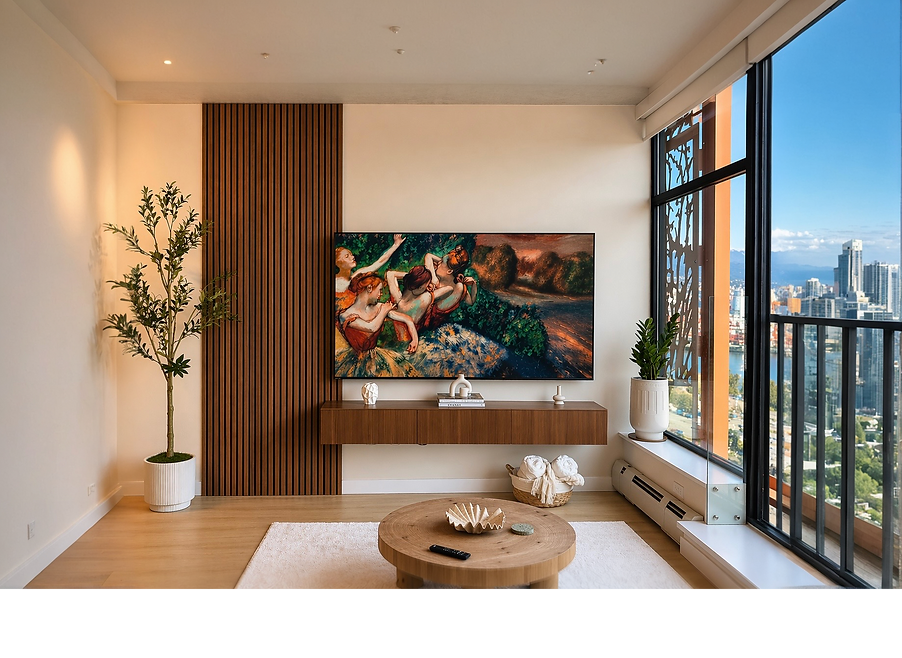
Checklist for Airbnb Owners: 2026 Vancouver Guide
TL;DR:
A comprehensive Airbnb management checklist covers safety, guest communication, cleaning, house rules, and listing maintenance to enhance rental income and guest experience. Vancouver hosts must adhere to local regulations, including safety standards and licensing requirements, to stay compliant and avoid fines. Regularly updating procedures and using standardized templates ensure consistent quality and positive reviews across all aspects of hosting.
A checklist for Airbnb owners is a structured set of operational tasks covering safety, cleaning, guest communication, house rules, and listing maintenance that directly determines your rental income and guest satisfaction. Vancouver hosts face specific short-term rental regulations alongside the standard demands of property management, making a thorough Airbnb management checklist non-negotiable in 2026. The difference between a three-star and five-star property often comes down to what you do before the guest arrives, not during the stay. This guide breaks down every category your hosting checklist needs, with specific items, tools, and strategies that experienced hosts actually use.
1. What key safety and compliance items belong on every Airbnb owner checklist?
Safety equipment is the foundation of any responsible hosting checklist for rental properties. Smoke and carbon monoxide alarms require monthly battery testing, placement on every floor, and carbon monoxide detectors positioned near fuel-burning appliances. At least one ABC-rated fire extinguisher per floor is the standard. These are not optional upgrades. They are the baseline that protects your guests and your liability.
Vancouver hosts must also comply with the City of Vancouver’s short-term rental license requirements, which mandate that the property be your principal residence. Posting your license number on your Airbnb listing is required by law. Failure to comply risks fines and delisting. The Vancouver setup guide from Nestoriaestates covers local compliance steps in detail.
Your safety checklist should include:
Smoke detectors tested monthly and replaced every 10 years
Carbon monoxide detectors on each floor near sleeping areas
One ABC-rated fire extinguisher per floor, inspected annually
Emergency egress routes posted visibly near the front door
First aid kit stocked and placed in an accessible location
Emergency contact numbers displayed in the unit
Pro Tip: Schedule a quarterly safety walkthrough and photograph every safety device. Hosts who document inspections report fewer liability disputes and consistently higher guest ratings.
2. How to structure effective guest communication on your Airbnb checklist
Timely, well-structured communication is the single most effective tool for reducing guest confusion and securing positive reviews. Airbnb recommends sending arrival reminders 1–2 days before check-in to reduce guest inquiries. That one message alone cuts a significant portion of day-of questions about parking, entry codes, and WiFi.
Structure your communication timeline like this:
Booking confirmation: Send within one hour. Thank the guest, confirm dates, and set expectations for what they will receive next.
Pre-arrival message (48 hours out): Include check-in instructions, parking details, and the WiFi password. Repeat this in multiple formats because many guests miss the app’s check-in tab entirely.
Day-of arrival: Send a short, friendly message with the door code and your contact number.
Mid-stay check-in: A brief message on day two asking if everything is comfortable. This catches problems before they become reviews.
Post-departure: Thank the guest and invite them to leave a review within 24 hours of checkout.
Use Airbnb’s quick replies feature to store templates for each stage. Tools like Hospitable or iGMS automate this sequence so no message gets missed during high-occupancy periods. The booking workflow guide from Nestoriaestates outlines how to build this into a repeatable system.
Pro Tip: Updating your check-in guide with answers to your top five recurring guest questions reduces message volume by roughly 50%. Review your inbox monthly and add any repeated question directly into the guide.
3. What should an Airbnb cleaning and turnover checklist include?
Cleaning consistency is the most direct driver of five-star reviews. Room-by-room checklists combined with reference photos create objective standards that any cleaner can follow, regardless of experience level. Subjective instructions like “make it look clean” produce inconsistent results. Written criteria do not.
Here is a room-by-room breakdown of what your Airbnb cleaning checklist should cover:
Kitchen: Wipe all surfaces, clean inside the microwave and oven, check for expired condiments, restock dish soap and sponges, run the dishwasher if needed
Bathrooms: Scrub toilet, sink, and shower, replace toiletries, fold towels to hotel standard, clean mirror and floor
Bedrooms: Change all linens, check under the bed, dust surfaces, confirm closet hangers are uniform
Living areas: Vacuum and mop floors, wipe remotes and light switches, check for forgotten guest items
Entry and outdoor areas: Sweep entrance, check outdoor furniture, confirm garbage bins are empty
For photo documentation, key room photos covering made beds, cleaned bathrooms, kitchen surfaces, and living areas are sufficient to verify turnover quality. Photographing every single item wastes time and does not add meaningful protection. A focused set of five to eight photos prevents refund requests without slowing down your cleaner.
Restocking should follow a par-level system. Set a minimum quantity for every consumable: toilet paper, coffee pods, dish soap, and laundry detergent. When stock drops below the minimum, it triggers a reorder. This prevents the guest who arrives to find an empty soap dispenser.
Area | Key task | Restock item |
Kitchen | Wipe all surfaces and appliances | Dish soap, coffee, paper towels |
Bathroom | Scrub and sanitize all fixtures | Shampoo, toilet paper, hand soap |
Bedroom | Change all linens, dust surfaces | Spare pillowcases, hangers |
Living room | Vacuum, wipe remotes | Batteries, trash bags |
Pro Tip: Consistent cleaning protocols are the most reliable way to maintain five-star ratings across multiple turnovers. Treat your cleaning checklist as a quality control document, not a to-do list.
4. Which core house rules and operational policies should be on your checklist?
House rules that are specific and consistently enforced minimize friction during the guest stay. Standard quiet hours run from 10 PM to 8 AM. Listing them clearly in your Airbnb description, your welcome message, and your house manual means guests cannot claim they were unaware. Ambiguity is what creates conflict.
Your house rules section should address:
Quiet hours: 10 PM to 8 AM, with specific consequences for violations
Smoking policy: No smoking indoors, designated outdoor area if permitted
Occupancy limits: Maximum number of guests including day visitors
Pet policy: Allowed breeds and sizes, pet fee amount, damage deposit terms
Parking: Number of spaces, location, and any permit requirements
Pool or hot tub use: Hours of access, supervision requirements, prohibited items
State the penalty for each violation directly. For example: “Unauthorized pets will result in a $150 cleaning fee charged through Airbnb’s resolution center.” This language sets expectations and gives you a documented basis for any claim.
Digital house manuals through tools like Hostfully or TouchStay let you update rules without reprinting physical copies. They also allow you to embed photos, maps, and local recommendations, which guests consistently rate as a value-add.
Pro Tip: Review your house rules after every incident and after every 20 reviews. Guest behavior patterns reveal gaps in your rules faster than any template will.
5. What are the best practices for listing optimization and ongoing maintenance?
Your Airbnb listing is your storefront, and outdated listings lose bookings to properties that look better on screen. Professional photography is the highest-return investment a host can make. Listings with professional photos earn more per night on average than those with smartphone images. Update your photos every 12–18 months or after any significant renovation.
Pricing requires ongoing attention. Static pricing leaves money on the table during peak Vancouver events like the Vancouver International Film Festival or major sports seasons, and it overprices your property during slow periods. Tools like PriceLabs and Wheelhouse adjust your nightly rate based on local demand, competitor pricing, and booking pace. This is standard practice among top-performing hosts.
Your maintenance checklist should include:
Seasonal HVAC filter replacements (every 90 days)
Annual plumbing and electrical inspections
Smart lock battery checks before every turnover
Thermostat calibration before winter and summer seasons
Exterior inspection after major weather events
Smart home technology pays for itself quickly. Smart locks eliminate the risk of lost keys and allow remote access management. Smart thermostats like Ecobee or Nest reduce energy costs between stays. Both also generate data you can use to verify checkout times and monitor property access.
Multi-channel distribution through platforms like Vrbo, Booking.com, and direct booking sites alongside Airbnb increases your occupancy rate and reduces dependence on a single platform. A channel manager like Lodgify or Guesty keeps calendars synchronized to prevent double bookings.
Pro Tip: Respond to every guest review within 48 hours, including negative ones. Your response is read by future guests, not just the reviewer. A professional, calm reply to a critical review builds more trust than a perfect score with no engagement.
Key takeaways
A complete Airbnb management checklist covering safety, communication, cleaning, house rules, and listing quality is the most reliable system for maximizing guest satisfaction and rental income in Vancouver.
Point | Details |
Safety comes first | Test smoke and CO detectors monthly and post emergency egress routes visibly. |
Communication timing matters | Send pre-arrival messages 1–2 days out to cut day-of guest inquiries significantly. |
Cleaning needs written standards | Room-by-room checklists with photo documentation prevent disputes and drive five-star reviews. |
House rules must be specific | State quiet hours, pet policies, and penalties clearly in every guest touchpoint. |
Listings and pricing need updates | Adjust photos, descriptions, and rates regularly to stay competitive in the Vancouver market. |
What I’ve learned from building Airbnb checklists that actually get used
Most hosts build a checklist once and never touch it again. That is the mistake. A checklist is only as good as its last update. Guest expectations shift, Vancouver regulations change, and your property itself evolves. The hosts I have seen maintain the strongest ratings treat their checklist as a living document, not a one-time setup task.
The other pattern I notice is that new hosts try to make their checklist perfect before using it. That approach delays action. Start with the five categories in this article, use the checklist for three turnovers, then refine based on what you missed. A working checklist with gaps beats a perfect checklist that sits in a folder.
The most underrated item on any hosting checklist for Airbnb is the mid-stay check-in message. Hosts who send it consistently catch problems before they become one-star reviews. It takes 30 seconds and changes the entire trajectory of a guest’s experience. Build it into your communication template and automate it. You will see the difference in your review score within two months.
— Kamran
How Nestoriaestates supports Vancouver Airbnb owners
Managing every item on a complete Airbnb owner checklist is a full-time job. Nestoriaestates handles the operational load for Vancouver property owners who want rental income without the daily management burden.

From cleaning coordination and guest communication to pricing adjustments and maintenance scheduling, Nestoriaestates covers every category in this guide. The team uses data-driven pricing and transparent owner reporting so you always know how your property is performing. Explore the full range of property management services or reach out directly through the contact page to get a free revenue projection for your Vancouver property.
FAQ
What is a checklist for Airbnb owners?
A checklist for Airbnb owners is a structured list of tasks covering safety, cleaning, guest communication, house rules, and listing maintenance that hosts complete before, during, and after each guest stay to maintain quality and compliance.
How often should I update my Airbnb hosting checklist?
Review your checklist after every significant incident and at least every six months to account for changes in Vancouver regulations, guest feedback patterns, and platform policy updates.
What safety items are required on an Airbnb property?
Standard safety requirements include smoke detectors tested monthly, carbon monoxide detectors on each floor, at least one ABC-rated fire extinguisher per floor, and posted emergency egress instructions.
How do I reduce guest messages as an Airbnb host?
Updating your check-in guide with answers to your most frequently asked questions reduces guest message volume by roughly 50% and improves the overall guest experience.
Do Vancouver Airbnb hosts need a license?
Yes. Vancouver requires short-term rental hosts to hold a valid business license and operate only from their principal residence. Your license number must appear on your Airbnb listing.
Recommended
Comments