

Vacation Rental Marketing Tips for Vancouver Hosts

TL;DR:
Effective vacation rental marketing involves listing optimization, real-time channel management, and branding to maximize bookings and revenue. Proper rate adjustments, professional photos, and a strong brand website help property owners stand out in Vancouver’s competitive market. Compliance with local licensing rules is essential to avoid fines and secure long-term success.
Vacation rental marketing is the set of tactics property owners use to maximize bookings and revenue across both OTA platforms and direct channels. For Vancouver Airbnb owners, the stakes are especially high: local regulatory violations can result in fines up to $50,000 and loss of expense deductibility. The core components of short-term rental advertising include listing optimization, real-time channel management, brand building, and direct booking infrastructure. Getting all four right is what separates a fully booked property from one that competes on price alone.

1. Optimize your listing for search and conversion
Conversion rate is the number one ranking factor in OTA search algorithms in 2026. That means the percentage of people who view your listing and actually book it determines how often the platform shows your property to new guests.
Professional photography is the single largest driver of that conversion rate. Guests decide within seconds whether to click through or scroll past. A listing with dark, blurry photos loses to a comparable property with bright, wide-angle shots every time.
Beyond photos, your title and description carry real weight. Write titles that name a specific feature and a location detail, such as “Bright Kitsilano Loft, Steps from the Beach.” Descriptions should answer the questions guests actually ask: parking, transit access, workspace, and what makes your block worth staying on.
Use a professional photographer with short-term rental experience
Write descriptions that name Vancouver neighborhoods, not just “great location”
Update your listing after every major improvement or seasonal change
Respond to every review, positive or negative, within 48 hours
Pro Tip: Add at least one photo of the view from the window or balcony. Vancouver guests consistently cite outdoor scenery as a booking trigger.
For a deeper breakdown of listing optimization tactics, Nestoriaestates has published a practical guide built around the Vancouver market.
2. Use a real-time channel manager, not iCal
iCal sync has a delay of 15–30 minutes between platforms. That gap is long enough for a guest on one platform to book the same dates a guest on another platform just reserved. The result is a double-booking, a canceled reservation, and a damaged review profile.
Real-time API-based channel managers update availability across Airbnb, VRBO, and Booking.com within seconds of a booking. That speed eliminates the conflict entirely.
Setting up a channel manager correctly takes more than just connecting your accounts. Follow these steps:
Connect each platform via API, not iCal
Set a base rate in the channel manager, not on each platform individually
Apply per-channel rate adjustments to account for commission differences
Configure minimum stay rules separately for each platform
Review channel performance monthly and shift promotional effort to top performers
The per-channel rate adjustment step is where most owners leave money on the table. Airbnb charges hosts roughly 3% in service fees, while Booking.com charges 15–20%. If you list the same nightly rate on both, you earn significantly less per booking from Booking.com.
Pro Tip: Set your Booking.com rate 12–15% higher than your Airbnb rate to arrive at the same net revenue after commissions.
3. Build a vacation rental brand, not just a listing
A listing gets you a booking. A brand gets you a repeat guest and a direct booking the next time. Vacation rental branding reduces OTA dependency and gives you the ability to command higher rates over time.
The difference is concrete. A listing is a set of photos and bullet points on a platform you do not control. A brand is a name, a visual identity, a tone of voice, and a guest experience that guests remember and recommend.
Strong branding extends beyond listing photos to include guest messaging, welcome guides, and onsite experience. Together, these elements build positive review momentum and repeat business that no OTA algorithm can take away from you.
Start with the basics:
Give your property a proper name (not just “2BR in Vancouver”)
Create a simple logo and use it on welcome cards, Wi-Fi cards, and check-in instructions
Write a guest guide in a consistent, warm voice that reflects your property’s personality
Follow up after checkout with a personal message that includes your direct booking link
Pro Tip: A branded welcome card with your direct booking website URL costs less than $1 to print and can convert a one-time OTA guest into a direct repeat booking.
4. Apply dynamic pricing with per-channel adjustments
Dynamic pricing adjusts your nightly rate based on seasonality, local events, and platform demand signals. Static pricing leaves money on the table during peak periods and keeps your calendar empty during slow ones.
Vancouver has clear seasonal patterns. Summer weekends near Granville Island or Kitsilano command premium rates. January and February are slower, and targeted promotions during those months can maintain occupancy without gutting your annual average rate.
Dynamic pricing tools work best when combined with per-channel rate logic. Set your base rate dynamically, then apply the commission offset on top for each platform.
Raise minimum stays to 3–5 nights during peak summer weekends
Drop minimum stays to 1–2 nights during shoulder season to fill gaps
Run last-minute discount rules for dates within 7 days of check-in
Monitor your occupancy rate weekly, not monthly
Per-channel pricing keeps your net revenue stable regardless of which platform the guest books through. Without it, a high-commission platform quietly erodes your margins on every booking.
5. Build a direct booking website
A direct booking website saves 3–15% in OTA commissions on every reservation it generates. That margin compounds quickly across a full calendar year.
Promoting direct bookings through Google My Business, post-stay emails, and social media channels builds brand equity that grows over time. Each direct booking also gives you the guest’s contact information, which OTAs deliberately withhold.
The website does not need to be complex. A clean homepage with professional photos, a booking widget, your cancellation policy, and a contact form is enough to convert guests who already know your property. The goal is to give returning guests and referral guests a place to book without paying a platform fee.
Connect your property to Google Vacation Rentals through your booking engine. This places your listing in Google’s travel search results at no commission cost. It is one of the highest-return steps a Vancouver host can take in 2026.
Pro Tip: Include a “Book Direct and Save” message in your checkout confirmation email. Guests who just had a great stay are the most likely to use it.
6. Use content marketing and paid search to drive traffic
Content marketing means publishing useful, location-specific information that draws organic search traffic to your direct booking website. A blog post titled “Best Restaurants Near Kitsilano Beach” or “What to Do in Vancouver in February” attracts guests who are actively planning a trip and have not yet booked accommodation.
This approach takes time to build but costs almost nothing to maintain. One well-written post can generate booking inquiries for years. The key is specificity. Generic travel content ranks poorly. Neighborhood-level, experience-focused content ranks well and attracts guests who are already sold on the destination.
Paid search ads targeting accommodation intent keywords, such as “Vancouver vacation rental” or “Airbnb alternative Vancouver,” deliver incremental bookings with measurable ROI. Set a modest daily budget, track which keywords convert to actual bookings, and cut the ones that only generate clicks.
For Vancouver-specific holiday rental marketing strategies, Nestoriaestates has published a guide covering seasonal promotions and local event timing.
Key Takeaways
The most effective vacation rental marketing combines optimized listings, real-time channel management, direct booking infrastructure, and consistent branding to maximize both occupancy and net revenue.
Point | Details |
Listing conversion drives ranking | OTA algorithms rank listings by conversion rate, making photos and descriptions your first priority. |
API sync prevents double-bookings | Real-time channel managers eliminate the 15–30 minute iCal delay that causes booking conflicts. |
Per-channel pricing protects margins | Adjust rates by platform to offset commission differences between Airbnb (3%) and Booking.com (15–20%). |
Branding builds direct booking revenue | A named property with a direct website saves 3–15% in commissions and retains guest relationships. |
Dynamic pricing fills the calendar | Adjust minimum stays and rates by season and platform to maintain occupancy year-round. |
What I’ve learned managing Vancouver rentals
Most property owners treat marketing as a one-time setup task. They upload photos, write a description, and assume the platform will handle the rest. That approach works until a competitor in the same building invests in professional photography and a branded guest experience. Then the gap in bookings becomes impossible to ignore.
The single most underused tactic I see among Vancouver hosts is per-channel rate adjustment. Owners connect their property to three platforms and list the same price on all of them. They then wonder why Booking.com bookings feel less profitable. The math is straightforward once you see it, but most hosts never run the numbers.
Compliance is the foundation that everything else sits on. Vancouver’s short-term rental rules have tightened significantly, and operating without the proper license puts your entire investment at risk. No amount of marketing fixes a property that gets shut down.
The hosts who consistently outperform the market share one habit: they treat their rental as a business with a brand, not as a spare room on an app. That shift in mindset changes every decision, from the welcome card on the kitchen counter to the follow-up email after checkout.
For a broader look at guest experience strategies that reinforce brand building, the Nestoriaestates blog covers the operational side in detail.
— Kamran
How Nestoriaestates supports Vancouver property owners
Nestoriaestates works with Vancouver property owners who want to apply these strategies without managing every detail themselves. The team handles listing optimization, professional photography coordination, channel management setup, and dynamic pricing adjustments as part of its full-service property management offering.
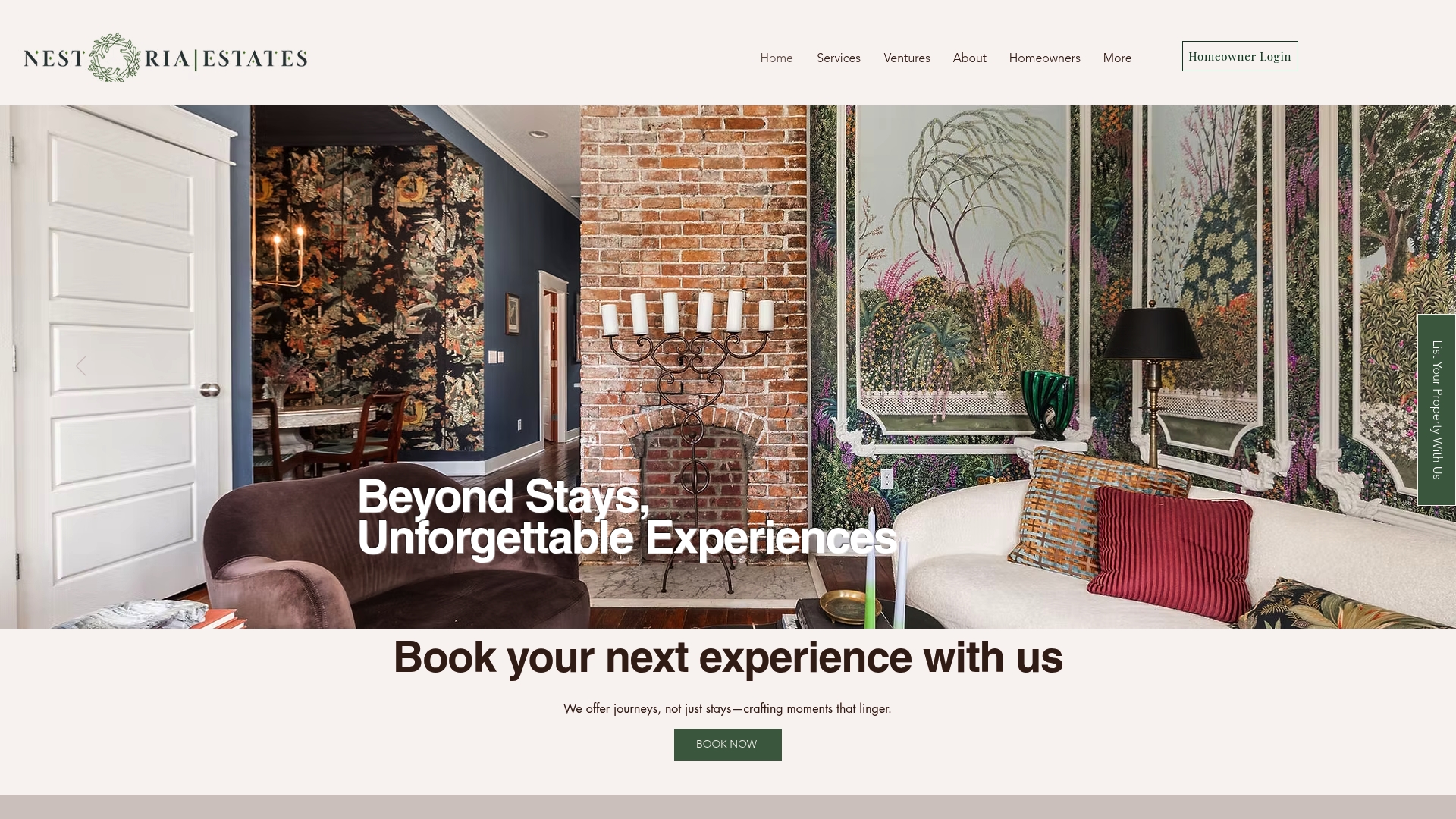
Owners who work with Nestoriaestates also get access to direct booking website setup and brand development support, along with transparent monthly reporting that shows exactly which channels are performing and why. If you want to see what your property could earn with a properly structured marketing approach, the Nestoriaestates services page includes a free revenue projection tool built for the Vancouver market.
FAQ
What is vacation rental marketing?
Vacation rental marketing is the set of tactics used to increase bookings and revenue across OTA platforms and direct channels. Core elements include listing optimization, channel management, branding, and direct booking promotion.
How does per-channel pricing work?
Per-channel pricing means setting different nightly rates on each platform to account for varying commission fees. Airbnb charges hosts roughly 3%, while Booking.com charges 15–20%, so your Booking.com rate should be higher to maintain the same net revenue.
Why is iCal sync a problem for vacation rentals?
iCal sync updates calendars with a 15–30 minute delay, which creates a window where two guests can book the same dates on different platforms. A real-time API-based channel manager eliminates that risk by syncing availability within seconds.
How much can a direct booking website save?
A direct booking website saves 3–15% in OTA commissions on every reservation it generates. Over a full year of bookings, that margin adds up to a significant increase in net revenue.
Do Vancouver Airbnb owners need a short-term rental license?
Vancouver requires property owners to hold a valid short-term rental license to operate legally. Operating without one risks fines up to $50,000 and can affect your ability to deduct rental expenses.
Recommended
Comments