

Avoid Delisting in Toronto: Register Your Airbnb, Track Nights, and Pay $390
Yes, you can host on Airbnb in Toronto, but only if the unit is your principal residence. That single requirement drives everything else: you must register with the City, display your registration number on every listing, track your nights, and remit Municipal Accommodation Tax. Skip any of those steps and you risk fines or a revoked registration.
TL;DR:
Only principal residences can be registered for short-term rentals in Toronto, limiting owners with secondary units or laneway suites from multiple registrations on the same property.
Hosts must display their registration number on every listing, invoice, and in-unit signage, as platforms verify compliance through real-time registry checks.
The mandatory municipal accommodation tax is 6% on stays under 28 days, requiring hosts to file quarterly reports regardless of platform remittance arrangements.
After January 2025, annual inspections will verify records of nights rented, revenue, and invoices, with non-compliance leading to fines, suspension, or revocation.
Building-specific rules, condo bylaws, and lease agreements often restrict or prohibit short-term rentals despite municipal eligibility, making thorough documentation and building checks essential.
Table of Contents
How Much Is the Municipal Accommodation Tax and Who Collects It?
What Do City Inspections Check and What Happens If You Fail?
What Should Be on Your Compliance Checklist Before You List?
How Do These Rules Change Guest Stays and Cancellation Policies?
What Has Changed Since Toronto’s Short-Term Rental Rules Began?
Do You Need Liability Insurance to Host on Airbnb in Toronto?
Which Toronto Neighborhoods Restrict Airbnb Rentals Through Zoning?
An Alternative for Owners Who Want Compliance Handled for Them
What Are the Airbnb Rules in Toronto Right Now?
Toronto’s short-term rental framework lives in Toronto Municipal Code Chapter 547, which defines a short-term rental as renting out all or part of a dwelling for stays under 28 consecutive days. The rule exists to keep long-term housing stock available and to hold operators accountable for the properties they list, not to shut hosting down entirely.
City council tightened the rules further with By-law 503-2024, which sharpened the definition of “principal residence,” toughened advertising verification, and closed loopholes that let operators register units they didn’t actually live in. If you’re hosting under the older, looser understanding of Toronto’s rules, that version is out of date. For the current wording on registration, eligibility, and enforcement, the City of Toronto’s operator page is the source to bookmark, not a blog post or forum thread.
Who Can Register and What Documents Do You Need?
Registration ties to you personally and to one dwelling unit, not to a property portfolio. You need to be 18 or older, and the unit has to be where you actually live, not a second suite you visit occasionally.
The City’s registration portal requires a government-issued photo ID showing your current address. If your ID doesn’t match your application address (a common snag for people who recently moved), the City may ask for two additional documents proving principal residence, such as a utility bill or lease agreement. Registration has a fixed fee that must be paid annually. Some applicants get flagged for an in-person interview or a request for extra paperwork, usually when something on the application doesn’t line up cleanly.
A few tips that save you a rejected application:
Make sure the name on your registration matches your ID exactly, including middle names or suffixes. Nicknames or shortened names trigger manual review.
If you’ve recently renewed a driver’s license or health card with a new address, wait until the new document has fully processed before applying, since a mismatch between old and new addresses is one of the most common causes of delay.
Redact sensitive information (like your full SIN or account numbers) from any supporting documents that don’t need it. The City collects personal information under its own municipal authority, but you don’t need to hand over more than what’s asked.
Entire-Unit vs. Partial-Unit: Which Registration Fits You?
When you register, you choose entire-unit or partial-unit, and that choice sticks for the registration term. You can’t switch mid-year; you have to wait until renewal.
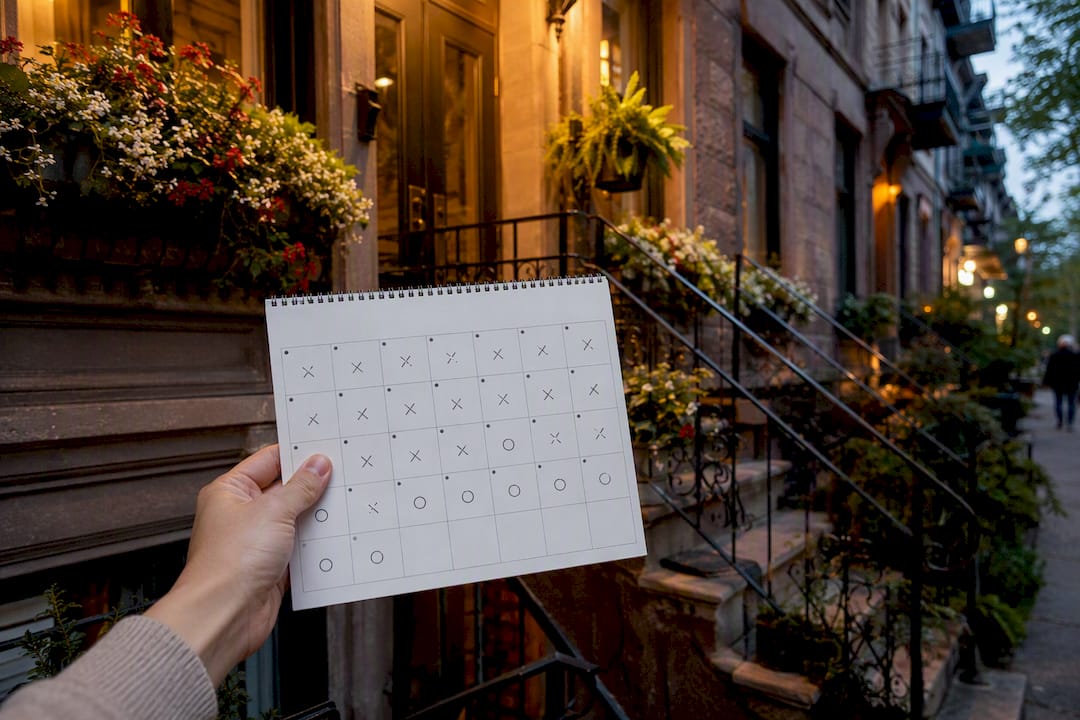
Entire-unit registrations cap out at 180 nights per calendar year. That’s the whole home, empty of you, rented to guests. Partial-unit rentals, where you rent a room while living there, don’t carry that same night cap.
This distinction matters most for owners with secondary suites or laneway suites. By-law 503-2024 closed a loophole here: principal residence now applies to a single dwelling unit, which means you can’t register your main house and a laneway suite on the same lot as two separate short-term rentals. One property, one registration, tied to wherever you actually live.
What Has to Appear on Your Airbnb Listing?
Every listing and every guest invoice must show your City-issued registration number, full stop. Short-term rental platforms are required to verify that number against the municipal registry, and they can pull a non-compliant listing within 24 hours of a City request.
If your listing gets removed:
Take screenshots of the listing before it disappears, including the registration number field.
Use the platform’s built-in “local government regulations” or compliance update flow to correct the mismatch.
If that doesn’t resolve it, email str-compliance@toronto.ca with your registration number and the listing URL.
Double-check that the name on your listing matches your legal name on file, not a nickname or business alias.
A CBC investigation found that City audits using open data have delisted operators whose listing details didn’t match the registry. That’s not a hypothetical risk. It’s happened at scale, and it usually comes down to something as small as a name spelled differently across two accounts.
How Much Is the Municipal Accommodation Tax and Who Collects It?
MAT applies to any stay under 28 days, and the standard rate returns to 6% effective August 1, 2026, after a temporary higher rate expired.
Some platforms collect MAT on your behalf through a voluntary agreement with the City. That’s convenient, but it doesn’t excuse you from filing. You still have to submit quarterly MAT reports even when the platform remits the tax directly, and you need accurate records of nights booked and revenue collected to back up those filings. Fail to file or remit, and you’re looking at interest charges, late fees, and, in repeat cases, a registration under review for revocation. Keep your own ledger. Don’t rely purely on a platform dashboard that could change its reporting format without warning.
What Do City Inspections Check and What Happens If You Fail?
Starting in January 2025, every approved registration became subject to an annual compliance inspection, and the City can require you to be present for it.
Inspectors can ask for records going back three years: nights rented, pricing history, and invoices. If you can’t produce them, that’s treated the same as non-compliance. Enforcement escalates from fines to suspension to outright revocation, and if the City issues a notice of intent to revoke, you typically get a 10-day window to respond before it becomes final. Keep records organized from day one. Retroactively reconstructing a year of booking data during an active inspection is a bad way to spend a week.

How Do You Register, Renew, and Fix a Blocked Listing?
The process breaks into a few clear stages, and most delays come from skipping the prep work before you touch the online form.
Gather acceptable ID first. Pull a government-issued photo ID that shows your current address, and line up two backup documents in case the City asks for extra proof of principal residence.
Decide entire-unit or partial-unit before you apply, since that choice locks in for the term.
Complete the online registration form through the City’s portal and pay the $390 fee.
Note your renewal date. You can renew on your registration anniversary or up to 30 days early. Late renewals accrue additional fees, and registrations lapse entirely after 90 days of non-renewal.
If a platform blocks your listing, update your government registration details through the platform’s compliance flow first. If the block persists after that, email str-compliance@toronto.ca with your registration number and listing link.
Set a calendar reminder 30 days before your renewal date. Missing that window turns a simple renewal into a fee-generating headache.
What Should Be on Your Compliance Checklist Before You List?
A short pre-launch checklist catches most of the mistakes that lead to fines or delisting later.
Post your registration number on every advertisement, invoice, and inside the unit itself where guests can see it.
Display an emergency exit plan somewhere visible in the unit, along with a 24/7 emergency contact number guests can actually reach.
Keep three years of records covering nights rented, revenue, and invoices, whether or not a platform handles MAT remittance for you.
Confirm your condo bylaws or landlord agreement allow short-term rental use, even though the City doesn’t require landlord consent to register.
If you rent rather than own, get written permission from your landlord anyway. It’s not a legal requirement, but it heads off a conflict that could otherwise end your tenancy.
Pro Tip: Save a digital folder (Google Drive or Dropbox both work fine) organized by quarter, with subfolders for MAT filings, nights logs, and guest invoices. When an inspection notice lands, you want to be sending a link, not spending a weekend digging through email.
For a broader rundown of what documentation to keep on hand year round, Nestoriaestates’ Vancouver-focused host checklist covers the same record-keeping habits that translate directly to Toronto operators.
How Nestoria Estates Sees Toronto Compliance Playing Out
Handling registration paperwork, MAT tracking, and inspection prep eats real time, especially for owners juggling a full-time job or managing a property from another city. Management firms built for short-term rental compliance handle those administrative layers directly: registration filings, quarterly MAT reports, and organized record retention that’s ready the moment an inspector asks for it.
Professional management makes the most sense for owners running multiple properties, living outside Toronto, or simply lacking the hours to track renewal dates and night counts manually. Nestoria Estates’ broader look at why professional short-term rental setup matters walks through what that operational support actually looks like day to day.
How Do These Rules Change Guest Stays and Cancellation Policies?
The 28-day threshold that defines a short-term rental under Chapter 547 shapes how you should structure booking windows. Anything under 28 consecutive nights falls under MAT and registration rules; push a booking to 28 nights or longer, and it exits short-term rental territory entirely, along with the tax and registration obligations attached to it. Some hosts use that threshold deliberately for corporate or relocation stays that run a month or longer.
Cancellation policies need to account for compliance risk in a way most hosts don’t think about until it happens. If your listing gets pulled mid-booking cycle because of a registry mismatch or a lapsed renewal, you’re not just losing a booking, you’re potentially triggering a platform-enforced cancellation that dings your host standing. Build buffer time into your calendar around your renewal date. Blocking out a few days before and after your annual renewal, rather than accepting bookings that straddle it, protects you from a scenario where a processing delay collides with a guest’s arrival date.
Guests booking a registered short-term rental in Toronto also see your registration number as part of the listing itself, which platforms now surface more prominently after the 2024 advertising amendments. That visibility cuts both ways. It builds trust with guests who’ve read about Toronto’s crackdown on unlicensed operators, but it also means an expired or incorrect number is visible to every potential booker, not just the City. A stale registration number sitting on an active listing is a fast way to lose bookings even before an inspector ever gets involved.
How Are Disputes Between Hosts and Neighbors Handled?
Noise complaints, parking conflicts, and concerns about transient guests in a residential building are the most common friction points between short-term rental operators and their neighbors. Toronto doesn’t route these disputes through a dedicated short-term rental tribunal. Most start as a 311 service request or a direct complaint to Municipal Licensing & Standards, which can trigger a compliance review of your registration if the complaints are frequent or documented.
Condo buildings add another layer entirely. A condo board can restrict or prohibit short-term rentals through its own bylaws regardless of what the City permits, and that governance sits separate from municipal registration. Confirm your condo’s declaration and rules before you register, because a registration approved by the City doesn’t override a condo bylaw that bans short-term stays outright.
For informal disputes, such as a neighbor upset about noise or a shared entryway getting crowded with luggage, direct communication resolves most issues faster than any formal complaint process. Leaving a clear house guide with quiet hours, sharing a direct contact number for problems, and responding quickly when a neighbor raises a concern all reduce the odds that a minor annoyance escalates into a 311 complaint that draws City attention to your registration. Operators who ignore repeated neighbor complaints tend to be the ones who show up on inspection radar first, since Municipal Licensing & Standards prioritizes properties with a documented history of friction.
What Has Changed Since Toronto’s Short-Term Rental Rules Began?
Toronto’s framework has moved through several rounds of tightening since it first took effect, and each round closed a gap that operators had been using to skirt the intent of the rules. The original Chapter 547 established the principal residence requirement and basic registration, but enforcement in the early years was inconsistent, and mismatched or fraudulent listings were common.
By-law 503-2024 marked the biggest shift, sharpening the definition of principal residence to apply to a single dwelling unit and strengthening the verification obligations placed on platforms themselves. That amendment is why owners with a laneway suite or secondary unit on the same lot can no longer register both as separate short-term rentals, a workaround that had been reasonably common before the change.
January 2025 brought mandatory annual compliance inspections for every approved registration, a shift from the earlier, more complaint-driven enforcement model to a proactive one where the City checks in on operators whether or not a neighbor has filed a report. That change alone pushed a wave of previously unregistered or loosely documented hosts to either formalize their compliance or exit the market.
The Municipal Accommodation Tax rate has also moved. A temporary increase to 8.5% applied through part of 2025 and into 2026 before the rate returned to the standard 6% effective August 1, 2026. Operators who set up automated MAT remittance during the higher rate period need to confirm their systems adjusted down; a few hosts have overcharged guests simply because a spreadsheet formula didn’t get updated after the rate reverted. Expect further adjustments over time. The City has shown it will revise both rates and enforcement mechanics as compliance data comes in, so treat this year’s rules as current, not permanent.
Are There Fees Beyond MAT That Hosts Should Budget For?
The $390 registration fee and 6% MAT are the two costs every Toronto host needs to plan for, but they’re not necessarily the only ones depending on your property type. Condo corporations can levy their own administrative fees for processing short-term rental approvals or amending building rules, and those charges vary building to building since they’re set by individual condo boards, not the City.
Some buildings also impose a refundable damage deposit or a per-booking administrative charge on units used for short-term rentals, structured similarly to a move-in deposit but recurring with guest turnover. If your building has one, it typically shows up in the condo’s short-term rental policy or house rules document, not in anything the City publishes.
There’s no separate municipal “community benefits charge” specifically targeting individual Airbnb operators the way there is for large development projects in Toronto’s planning framework. Community benefits charges under the Planning Act apply to major development applications, not to individual homeowners registering a spare room or unit. Don’t confuse the two. If you’re a homeowner registering under Chapter 547, your direct municipal costs are the registration fee, its annual renewal, and MAT, plus whatever late fees apply if you miss a renewal window. Anything beyond that is typically a condo-level or building-level charge, not a City one, so check your condo documents directly rather than assuming a municipal source will list it.
Do You Need Liability Insurance to Host on Airbnb in Toronto?
Toronto’s registration process doesn’t legally require you to carry a specific liability insurance policy to register a short-term rental, but skipping coverage is one of the riskier financial decisions a host can make. A standard homeowner’s or tenant’s insurance policy typically excludes commercial activity, and renting to paying guests for short stays usually counts as exactly that. If a guest is injured on your property or causes damage, an unmodified homeowner’s policy can deny the claim entirely.
Talk to your insurance provider directly before you register, not after your first booking. Most Canadian insurers offer a short-term rental endorsement or a dedicated host policy that covers guest injury, property damage, and liability exposure specific to short-term stays. Airbnb’s own host guarantee programs offer some protection, but they’re not a substitute for a real insurance policy, and payout terms and exclusions can leave real gaps, particularly for high-value claims or disputes over what actually happened.
Condo owners face an added wrinkle: your condo corporation’s master insurance policy almost certainly doesn’t extend liability coverage to short-term guests the way it might for a long-term tenant, since many master policies explicitly exclude transient occupancy. Confirm this directly with your condo’s property manager or insurer, because assuming you’re covered under a building-wide policy is a common and expensive mistake.
Given how much revenue and legal exposure sits on a single bad guest interaction, budgeting for a proper host insurance policy alongside your registration fee and MAT obligations isn’t optional in any practical sense, even though the City doesn’t mandate it on paper.
Which Toronto Neighborhoods Restrict Airbnb Rentals Through Zoning?
Municipal registration under Chapter 547 is a citywide requirement, but zoning and building type still shape where you can practically operate a short-term rental. Most residential zones across Toronto permit registered short-term rentals in a principal residence, whether that’s a detached house, a semi, or a condo unit, provided the registration itself is approved.
The bigger practical restriction tends to come from building-specific governance rather than municipal zoning maps. Purpose-built rental apartment buildings frequently prohibit subletting or short-term guest stays outright in their lease terms, regardless of what the City permits. Condo buildings, especially newer high-rise developments in areas like CityPlace, the Entertainment District, and parts of the waterfront, have increasingly adopted board-level bylaws restricting or banning short-term rentals, driven by resident complaints about turnover and building security concerns.
Older, lower-density neighborhoods such as parts of the Annex, Leslieville, or the Danforth corridor tend to see fewer building-level restrictions since much of the housing stock is detached or semi-detached homes rather than condo towers with active boards regulating short-term use. That doesn’t mean zero friction. Some of these neighborhoods have organized resident associations that lobby the City for stricter enforcement when short-term rentals cluster on a single block, which can translate into more frequent 311 complaints and, by extension, more attention from Municipal Licensing & Standards.
Before you register, check both your municipal zoning status and your building’s own governing documents. A property that’s zoned appropriately under Chapter 547 can still be off limits if your condo declaration or lease says otherwise, and that conflict won’t show up anywhere in the City’s own registration system.
What This Guide Gets Right That Most Advice Misses
Most articles on Toronto short-term rental rules treat the principal residence requirement as a checkbox and move straight to marketing tips. That’s backwards. The principal residence rule is the entire foundation of Toronto’s approach, and it’s also where the City’s own by-law amendments have focused the most enforcement energy since 2024. If you’re evaluating whether a property qualifies, start there and don’t move forward until you’re certain.
The conventional advice also underweights how much of this comes down to paperwork discipline rather than legal complexity. The rules themselves aren’t especially hard to understand. What trips up hosts is a mismatched name on an ID, a missed renewal date, or a quarterly MAT filing that got skipped because a platform “handled the tax.” None of that is a legal gray area. It’s operational follow-through, and it’s exactly the kind of thing that falls through the cracks for owners managing a property alone, especially remotely.
If there’s one priority worth acting on immediately, it’s building a repeatable system for records and renewal dates before your first guest checks in, not after your first inspection notice arrives. Toronto’s shift to mandatory annual inspections starting in 2025 signals a City that intends to check in on every operator, not just the ones who get reported. Treat compliance as an ongoing operational habit, not a one-time application you file and forget.
— Kamran
An Alternative for Owners Who Want Compliance Handled for Them
Nestoria Estates is a full-service option for owners who would rather not personally track renewal dates, MAT filings, and inspection paperwork on top of everything else running a rental involves. For Vancouver Airbnb owners weighing whether to self-manage compliance or hand it off, the trade-off usually comes down to time: registration support, MAT tracking, guest communications, cleaning coordination, and inspection prep are all things Nestoria Estates manages directly on an owner’s behalf.

That coverage matters most for owners with more than one property, owners living outside the city their rental is in, or anyone who simply doesn’t want a City inspection notice landing in their inbox with no system ready to respond. Nestoria Estates also builds pricing strategy and owner reporting into the same service, so compliance isn’t handled in isolation from revenue performance. If you want a clearer picture of what that looks like for your specific property, request a free revenue projection and compliance review through Nestoria Estates’ services page and see what hands-off management would actually change for your bottom line.
Where to Verify These Rules Directly
Registration fees, MAT rates, and inspection requirements shift periodically, so cross-check any figure in this guide against the City’s own pages before you apply. The City of Toronto’s short-term rental operator page covers registration and inspections directly, while Chapter 547 of the Municipal Code holds the full legal text behind every rule discussed here. For a broader look at how short-term rental regulation is evolving across the country, Nestoria Estates’ overview of Canadian short-term rental regulations and Realtevo’s investor-focused guide to local short-term rental law are both useful starting points before you register anywhere in Canada.
FAQ
Do You Need a License to Run an Airbnb in Ontario?
Toronto specifically requires registration, not a traditional business license, under Chapter 547, and the unit must be your principal residence. Other Ontario municipalities set their own separate short-term rental rules, so requirements outside Toronto can differ.
What Is the 80/20 Rule for Airbnb?
There’s no official 80/20 rule written into Toronto’s bylaws; that phrase circulates informally in host communities to describe general income diversification advice, not a municipal regulation. The actual legal limit that matters in Toronto is the cap on 180 nights per calendar year for entire-unit rentals.
What Is Not Allowed in Airbnb Hosting in Toronto?
You can’t register a unit that isn’t your principal residence, exceed 180 nights per year on an entire-unit rental, or advertise without displaying your City-issued registration number. Doing any of these can trigger fines or revocation.
Which Buildings in Toronto Allow Airbnb Rentals?
Most residential properties qualify if the unit is the operator’s principal residence and the registration is approved, but individual condo boards and rental buildings can prohibit short-term stays through their own bylaws or lease terms. Always check your building’s governing documents alongside your municipal registration status.
How Much Does Airbnb Registration Cost in Toronto?
Registration costs $390 and renews annually, with late renewals accruing additional fees and registrations lapsing after 90 days of non-renewal.
Recommended
Comments